The ordinance-making power of the President and the Governor is an extraordinary legislative power granted under the Constitution of India.…

The ordinance-making power of the President and the Governor is an extraordinary legislative power granted under the Constitution of India.…

Federalism in India is not a rigid or classical model. It is a pragmatic and evolving arrangement. This model is…
The Doctrine of Severability is a fundamental principle of Indian constitutional law that determines whether an unconstitutional part of a…

The Doctrine of Eclipse is an important principle of Indian constitutional law. It deals with the effect of fundamental rights…
The Doctrine of Pith and Substance is a core principle of Indian constitutional law used to determine the true nature…
The Doctrine of Colorable Legislation is a fundamental principle of Indian constitutional law that ensures legislative bodies function strictly within…
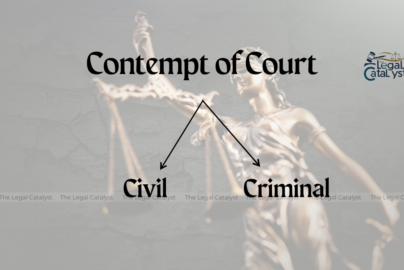
Indian law recognises two distinct forms of contempt: civil contempt and criminal contempt. Though often confused, their nature, purpose, and…
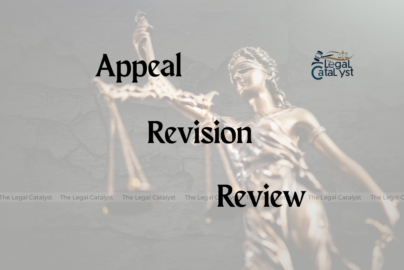
Understanding the Three Corrective Powers of Courts The Indian legal system recognises that judicial decisions are not infallible. To prevent…

Understanding Modes of Compelling Appearance in Criminal Law In criminal proceedings, courts must ensure the presence of the accused or…
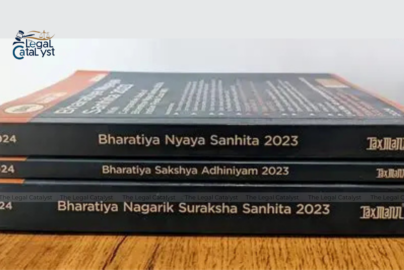
Understanding India’s Substantive and Procedural Legal Framework Indian law operates through a clear division between substantive law and procedural law.…

Understanding the Legal Distinction Under Criminal Procedure Criminal law recognises that not all offences have the same gravity or societal…
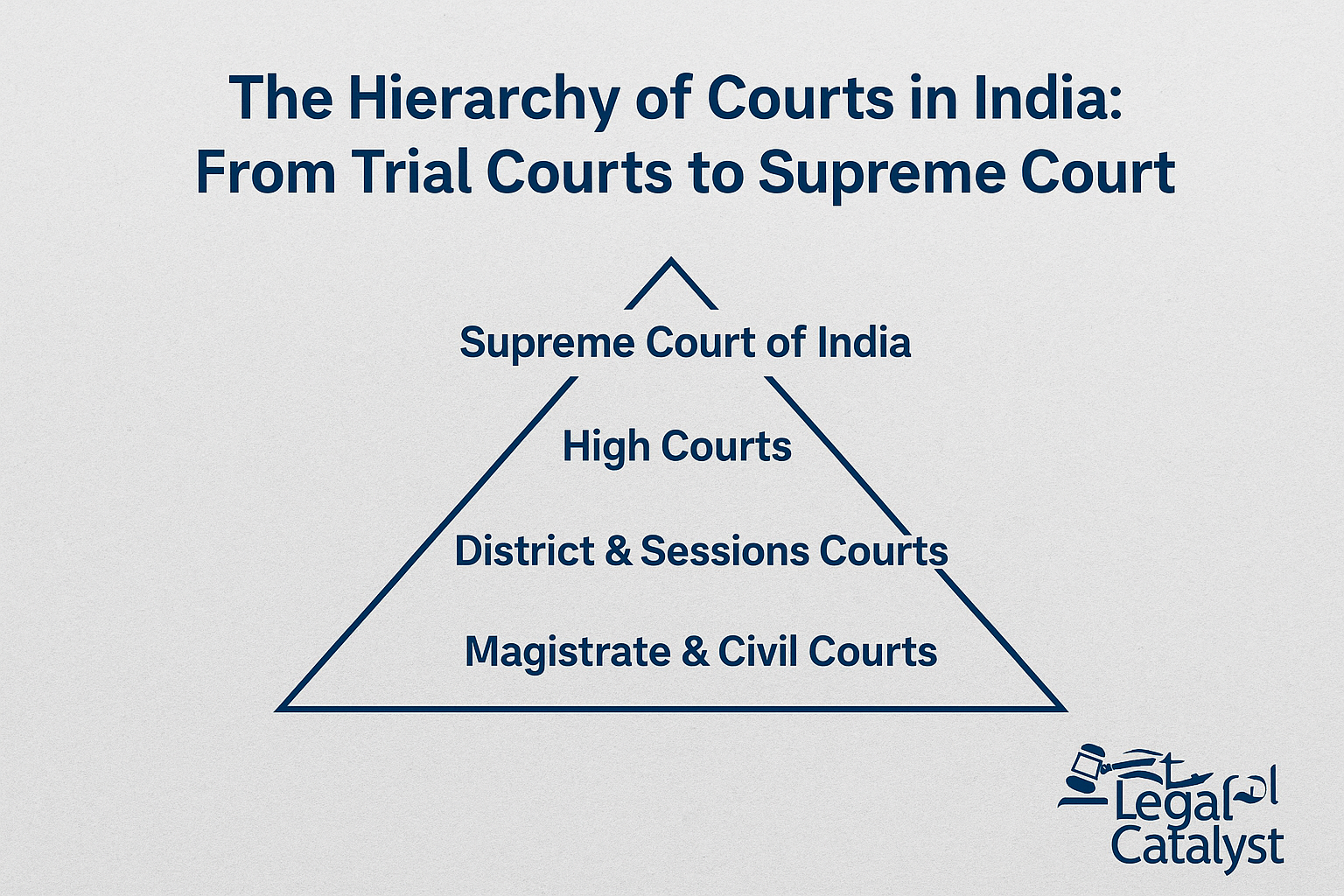
India follows a well-structured hierarchy of Courts, ensuring justice is accessible at every level. This structure distributes judicial power across…