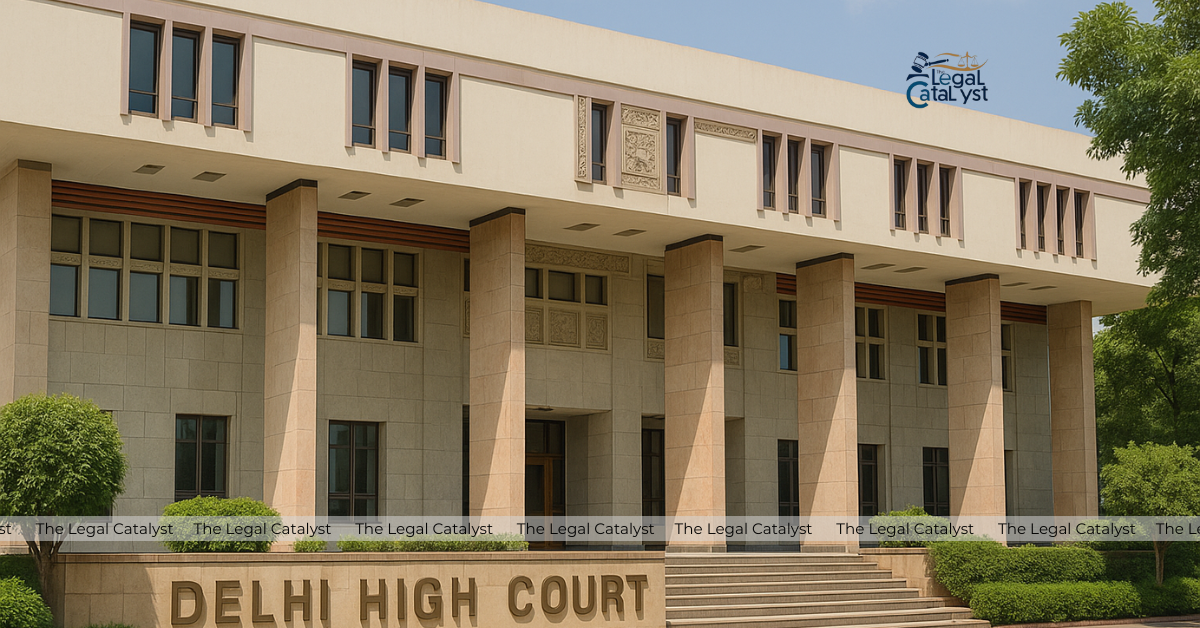
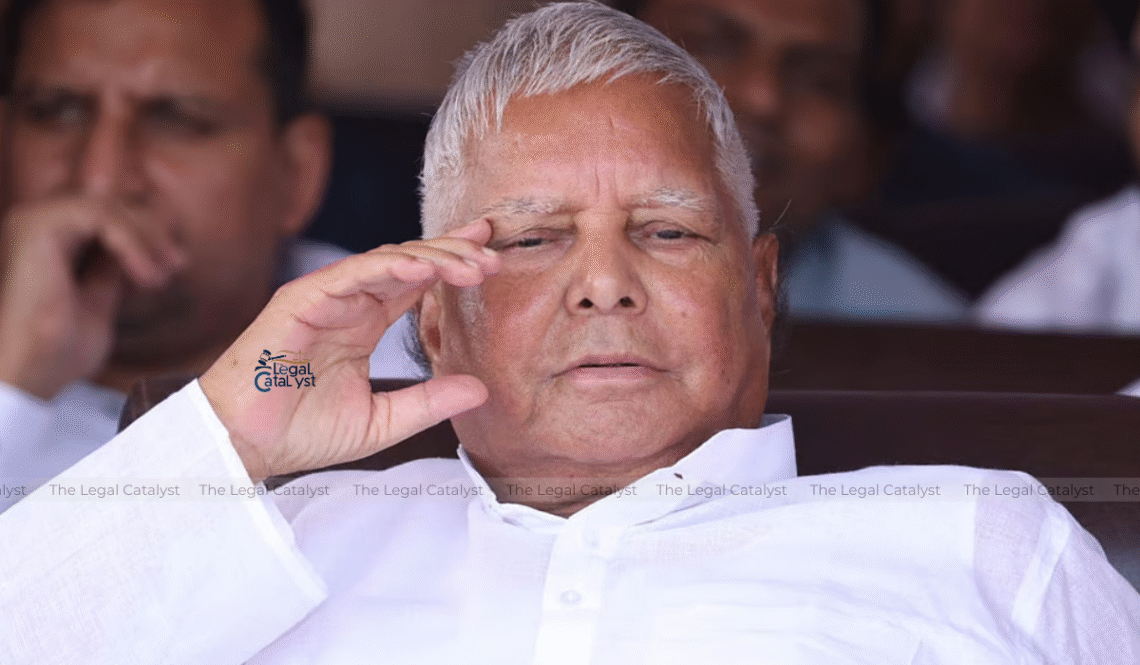
In a significant turn in the long-running IRCTC hotel scam case, Lalu Prasad Yadav, former Union Railway Minister and Rashtriya Janata Dal (RJD) chief, has filed a petition in the Delhi High Court challenging the framing of criminal charges against him and several others, including his wife Rabri Devi and son Tejashwi Yadav.
What’s Happening Now?
The High Court is scheduled to hear Yadav’s plea on January 5, 2026, before a bench led by Justice Swarana Kanta Sharma. The petition disputes a trial court’s October 2025 decision to frame charges of corruption, criminal conspiracy, and cheating in connection with alleged irregularities in awarding contracts for IRCTC hotels in Ranchi and Puri.
The Allegations in Brief
According to the prosecution, the Central Bureau of Investigation (CBI) alleged that during Yadav’s tenure as Railway Minister between 2004 and 2009, the tender process for two IRCTC hotel contracts was manipulated. In return, prime land was allegedly transferred to entities linked to Yadav’s family at below-market value — a quid pro quo the court found prima facie suspicious.
The trial court observed that the actions pointed to possible abuse of office and a conspiracy that caused a “substantial loss” to the public exchequer, framing charges under sections of the Indian Penal Code and the Prevention of Corruption Act.
What Yadav’s Side Is Arguing
Yadav’s legal team argues that the trial court’s order to frame charges was flawed. They contend the prosecution has not met the legal threshold under relevant statutes, particularly under the Prevention of Corruption Act. Their petition seeks to quash these charges ahead of the substantive trial.
Why This Matters
This is not merely another procedural move — it has real implications:
- If the High Court strikes down the framing order, it could significantly weaken the prosecution’s footing and delay or narrow the scope of the trial.
- The question before the court is whether the trial court had sufficient evidence at the prima facie stage to proceed with criminal charges.
- The case feeds into broader national debates over political corruption, accountability, and the pace of high-profile prosecutions.
The Road Ahead
The hearing on January 5 will be watched closely by legal and political observers alike. If the High Court refuses to interfere with the trial court’s decision, the case will move forward with daily hearings under the jurisdiction of the special court at Rouse Avenue, continuing the legal saga that has spanned years.
Also Read- Why Indian Legal Education Is Broken (And How Students Pay the Price)