- Introduction and Institutional Identity
- Foundational Objective and Institutional Evolution
- Location-Based Academic and Career Exposure
- Courses Offered and Entry Pathways
- Academic Structure and Teaching Reality
- Academic Rigor and Evaluation Standards
- Fee Structure and True Cost of Education
- Internship Ecosystem and Practical Exposure
- Moot Court, Research, and Co-Curricular Opportunities
- Placements and Career Outcomes
- Alumni Network and Long-Term Value
- Campus Culture and Student Experience
- Administration and Institutional Governance
- Multi-Campus or Branch Structure
- Suitability Analysis
- Who Should Avoid This University
- Comparative Positioning
- Final Verdict
Introduction and Institutional Identity
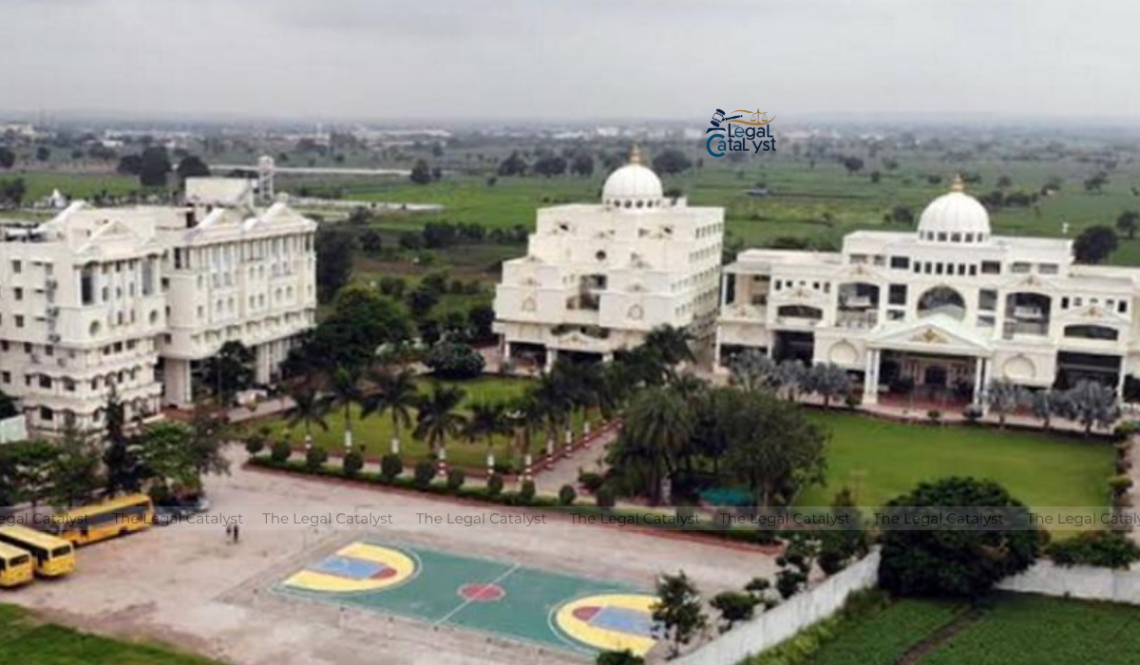
Indore Institute of Law (IIL) is a private law college established in 2003. It operates as an independent law institution affiliated with Devi Ahilya Vishwavidyalaya for its undergraduate and postgraduate programmes. The institution is located in Indore, Madhya Pradesh.
IIL is recognised by the University Grants Commission through its affiliating university and approved by the Bar Council of India, which permits its graduates to enrol as advocates in India.
Indore Institute of Law is a Non-NLU law institution. It functions within a private college model with structured administration, relatively higher fees than public universities, and a focus on co-curricular activities. It must be evaluated on actual academic rigor, exposure, and average outcomes rather than branding or marketing claims.
Foundational Objective and Institutional Evolution
Indore Institute of Law was established with the stated objective of providing professional legal education in central India, a region with limited access to specialised standalone law colleges at the time. The institution aimed to differentiate itself from conventional university departments by offering structured academic schedules, emphasis on mooting, and a more managed campus environment.
Over time, IIL expanded its academic offerings to include integrated undergraduate programmes, postgraduate degrees, and doctoral research. Its evolution has been incremental rather than reform-driven. Unlike National Law Universities, which were created as autonomous, residential institutions with integrated curricula and centralised placements, IIL developed as a private affiliated college. While it has adopted some NLU-style features such as active student societies and competitions, its core academic structure remains aligned with the affiliating university framework.
Explore- Faculty of Law, Aligarh Muslim University (AMU), Aligarh, Uttar Pradesh
Location-Based Academic and Career Exposure
Indore is the commercial capital of Madhya Pradesh and one of the larger cities in central India, but its legal ecosystem is regionally limited.
Advantages
The city has active district courts, tribunals, and a functioning litigation environment. Indore also hosts benches of various quasi-judicial bodies and has a growing corporate and industrial base, including manufacturing, real estate, and financial services. Students interested in district-level litigation, compliance roles, or regional corporate advisory work can find opportunities locally.
Limitations
Indore does not have a High Court bench. The Madhya Pradesh High Court benches are located in Jabalpur, Indore, and Gwalior, but high-volume constitutional and appellate litigation is concentrated outside the city. There is minimal presence of national law firms, arbitration chambers, or policy institutions. For exposure to top-tier corporate law, national litigation, or public policy, students must rely on internships in cities such as Delhi, Mumbai, or Bengaluru, usually during vacations.
Courses Offered and Entry Pathways
| Programme | Duration | Entry Pathway |
|---|---|---|
| B.A. LL.B. (Hons.) | 5 years | CLAT / IIL Entrance Test |
| B.B.A. LL.B. (Hons.) | 5 years | CLAT / IIL Entrance Test |
| LL.B. | 3 years | IIL Entrance Test |
| LL.M. | 1–2 years | University-level admission process |
| Ph.D. (Law) | Variable | University-level admission process |
Admissions are conducted through a combination of national-level scores and institution-specific entrance processes. Publicly available data on cut-offs and batch profiles is limited. Student quality varies across cohorts, with a wide range of academic preparedness and career orientation.
Academic Structure and Teaching Reality
Indore Institute of Law follows a semester-based academic system with a structured timetable. Teaching methods include lectures, presentations, seminars, and occasional workshops. Faculty composition includes a mix of full-time faculty members, early-career academics, and visiting practitioners.
Classroom seriousness is moderate. Attendance rules are enforced more strictly than in many public universities, which creates regularity but does not necessarily translate into academic depth. Teaching quality varies by subject and instructor. While some courses emphasise case law and conceptual clarity, others remain exam-oriented. Skills-based training is present but not uniformly integrated into all courses.
Academic Rigor and Evaluation Standards
Attendance requirements are formally enforced, generally at 75 percent or higher. Students failing to meet attendance thresholds face academic penalties.
Internal assessments carry meaningful weight and include written tests, presentations, assignments, and project work. End-semester examinations are conducted under the affiliating university framework. The grading culture is moderate, with neither extreme conservatism nor heavy inflation. Average grades are achievable with consistent compliance, while high academic performance requires sustained effort.
Feedback mechanisms exist but are not deeply institutionalised. Academic mentoring depends largely on individual faculty initiative.
Fee Structure and True Cost of Education
| Cost Component | Approximate Amount (INR) |
|---|---|
| Annual Tuition Fees | 1.8–2.5 lakhs |
| Hostel and Living (Annual) | 1–1.5 lakhs |
| Estimated Total Course Cost (5 years) | 14–20 lakhs |
| Estimated Total Course Cost (3 years) | 8–10 lakhs |
IIL is a mid-cost private law college. While fees are lower than elite private universities, they are significantly higher than public institutions. The return on investment depends heavily on internships, skill development, and post-graduation outcomes.
Internship Ecosystem and Practical Exposure
Internships are encouraged and often facilitated through academic scheduling flexibility. Many students intern with local advocates, district courts, small law offices, and regional companies during semesters.
Higher-quality internships in law firms, corporate legal teams, or policy organisations typically require students to travel to other cities during vacations. The institution does not guarantee internships and does not maintain a formal allocation system. Practical exposure is therefore uneven and dependent on student initiative.
Moot Court, Research, and Co-Curricular Opportunities
Moot court activities are a visible part of IIL’s student life. The institution regularly hosts and participates in national-level moot court competitions. Mooting culture is stronger than in most state university departments but less rigorous than in top NLUs.
ADR activities, client counselling, and negotiation competitions are conducted periodically. Research centres and student journals exist, but undergraduate research mentoring is inconsistent. Publication opportunities are available but depend largely on student initiative and faculty support.
Placements and Career Outcomes
Indore Institute of Law maintains a placement coordination mechanism, but consolidated and audited placement data is not publicly available, limiting transparency.
Average career outcomes include litigation practice in Madhya Pradesh, placements in small to mid-sized law firms, compliance roles in companies, legal process outsourcing, and higher education. A limited number of students secure roles in larger firms or national organisations, but these outcomes are not representative of the majority of the batch.
Explore- Faculty of Law, Banaras Hindu University (BHU), Varanasi, Uttar Pradesh
Alumni Network and Long-Term Value
The alumni base of IIL is relatively young compared to legacy public institutions. Alumni are primarily present in regional litigation, small law firms, corporate compliance roles, and academia. Representation in higher judiciary, top-tier firms, or national policy roles is limited.
Alumni engagement exists through events and informal mentoring but is not a decisive institutional strength. Long-term value depends more on individual career development than alumni leverage.
Campus Culture and Student Experience
Campus life at IIL is structured and regulated. Peer quality varies widely due to diverse entry routes. Competition exists but is more participation-oriented than academically intense.
Student support systems such as mentoring, career guidance, and counselling are formally present but vary in effectiveness. The environment suits students who prefer managed academic schedules over highly autonomous systems.
Administration and Institutional Governance
Administrative functioning is more responsive than in public universities but remains hierarchical. Academic calendars are generally followed. Policy decisions are centralised at the institutional level.
Grievance redressal mechanisms exist but are procedural. Flexibility in academic rules is limited, and students are expected to comply with institutional regulations.
Multi-Campus or Branch Structure
Indore Institute of Law operates from a single campus in Indore. There are no branch campuses offering law programmes. Admissions, academics, and administration are centralised at this campus.
Suitability Analysis
IIL is best suited for students seeking a structured private law college environment in central India, who are willing to actively pursue internships outside the city and build their profiles independently. It may suit students interested in litigation, compliance, or regional corporate practice and those who prefer managed academic systems.
Who Should Avoid This University
Students expecting NLU-level placements, elite corporate exposure, or strong national academic recognition may find the institution limiting. Highly cost-sensitive students or those unwilling to rely on self-driven internships may struggle to justify the investment.
Comparative Positioning
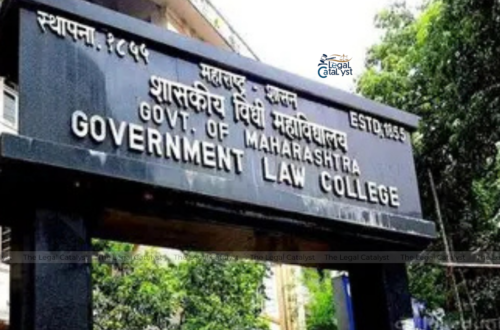
Compared to Government Law College Mumbai, IIL offers significantly weaker exposure and alumni leverage at a higher cost. Compared to Symbiosis Law School Nagpur or Hyderabad, IIL provides similar regional exposure but with less national placement visibility. It performs better than many conventional state university departments in structure and activities but does not match top-tier private or public law institutions in outcomes.
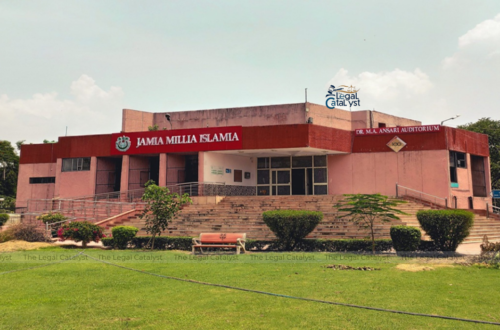
Explore- Faculty of Law, Jamia Millia Islamia (JMI)
Final Verdict
Indore Institute of Law is a mid-cost private law college offering structured legal education with reasonable co-curricular exposure in a regionally limited legal market. It provides functional academic systems but limited institutional leverage for elite careers. For disciplined students aiming for regional practice, compliance roles, or gradual career building through self-driven effort, it can offer acceptable value. For students seeking national-level exposure, strong placement assurance, or NLU-equivalent outcomes, expectations should be carefully calibrated.
Connect with us on Instagram – X – LinkedIn for daily updates, quizzes, and other materials